How Modern Filmmakers Are Redefining the Art of the Long Take in Cinema
Explore how directors use extended single-shot sequences to build tension, immerse audiences, and transform modern cinematic storytelling.
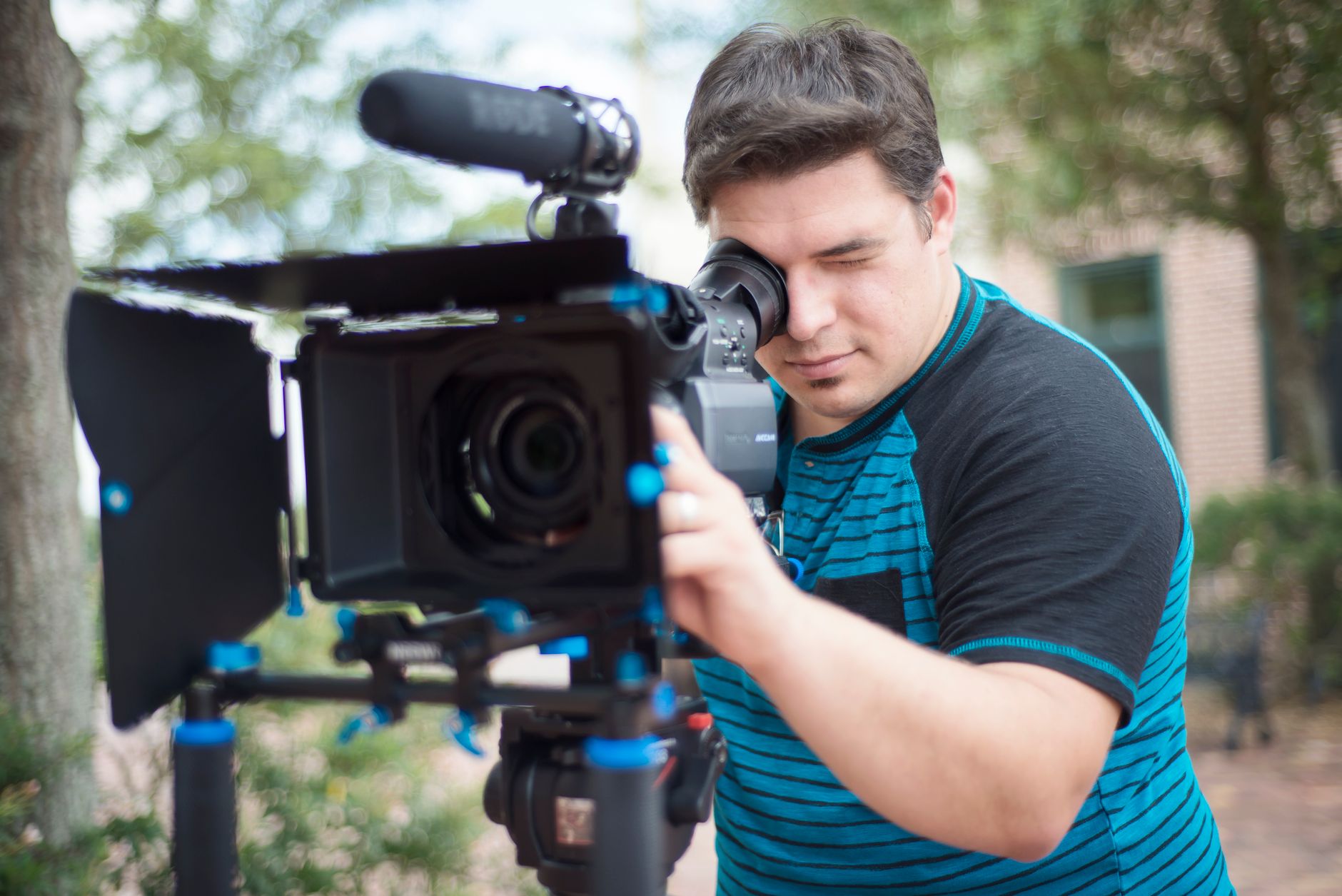
The unbroken long take has evolved from a rare technical gimmick into one of the most powerful storytelling devices in modern cinema. By eliminating the safety net of traditional editing, directors force audiences to experience time and space in perfect synchronization with the characters. This demanding technique requires flawless choreography between the camera crew, actors, and lighting technicians. Understanding how these seamless sequences are constructed reveals the delicate balance between technical precision and emotional immersion in contemporary filmmaking.
What happened
Historically, directors experimented with the illusion of a single continuous shot, limited by the physical length of physical film reels. Today, digital cameras, lightweight stabilization rigs, and invisible digital transitions have liberated filmmakers from these physical constraints. Directors can now craft sequences that span entire acts or even entire movies, moving seamlessly through complex environments without a visible cut.
This evolution has shifted the long take from an occasional stylistic flourish to a foundational structural element. Productions now plan these sequences months in advance, utilizing pre-visualization software to map out every camera movement and actor placement. The result is a growing body of work where the camera acts as an active participant in the scene rather than a passive observer.
Why it matters
The rise of the long take fundamentally alters how audiences process narrative tension and spatial relationships on screen. Without the rhythm of traditional cutting to dictate emotional beats, viewers must actively scan the frame, creating a more visceral and participatory viewing experience. For actors, the lack of cuts demands sustained, theater-like performances where mistakes cannot be easily hidden or corrected in post-production.
Furthermore, this technique challenges production crews to achieve unprecedented levels of collaboration. Cinematographers, boom operators, and focus pullers must execute complex physical choreography in real time. When successful, these shots elevate a film's prestige, serving as a powerful marketing tool and a testament to the creative team's technical mastery.
- Creates an unparalleled sense of realism and real-time tension for the audience.
- Demands sustained, high-caliber performances from actors who must remain in character.
- Showcases technical mastery and elevates the visual prestige of the production.
- Requires immense preparation time and can drastically increase production budgets.
- Limits the director's ability to alter pacing or performances during the editing process.
- Risks becoming a distracting gimmick if the technique does not serve the story.
How to think about it
When evaluating a long take, look beyond the initial wow factor of the camera movement. Consider how the lack of editing serves the emotional state of the characters or the thematic weight of the scene. A successful long take should feel necessary, trapping the viewer in a specific moment to build claustrophobia, anxiety, or a sense of discovery that edits would otherwise disrupt.
Analyze where the camera chooses to look when it is not restricted by cuts. The path of the lens often reveals the director's underlying intent, guiding your eye to subtle background details or forcing you to endure uncomfortable silences. If a continuous shot draws too much attention to its own difficulty, it may be failing the story, but when executed with narrative purpose, it remains one of cinema's most sublime achievements.
FAQ
What is the difference between a real long take and a stitched long take?+
Why do directors choose to use long takes instead of traditional editing?+
How do actors prepare for long, uninterrupted scenes?+
Streaming availability changes constantly. Check where it's playing right now — subscription, rent, or buy:
- features·4 min readThe Language of Camera Movement: How Pans, Tilts, and Dollies Tell Stories
Discover how filmmakers use pans, tilts, and dollies to build tension, reveal information, and shape audience emotions.
- features·3 min readCinematographer vs. Director: Who Truly Shapes the Visual Look of a Film
Explore the creative tension and collaboration between directors and cinematographers in determining a movie's visual style.
- features·3 min readHow Modern Filmmakers Use Color Theory to Shape Cinematic Narrative
Discover how directors use deliberate color palettes to manipulate audience emotions and strengthen visual storytelling.