Capturing Bigfoot Review: How a 1967 Footage Shapes the Legend and Netflix Docs
Variety reviews 'Capturing Bigfoot', the new documentary that finally unpacks the 1967 Patterson footage and its impact on the myth.
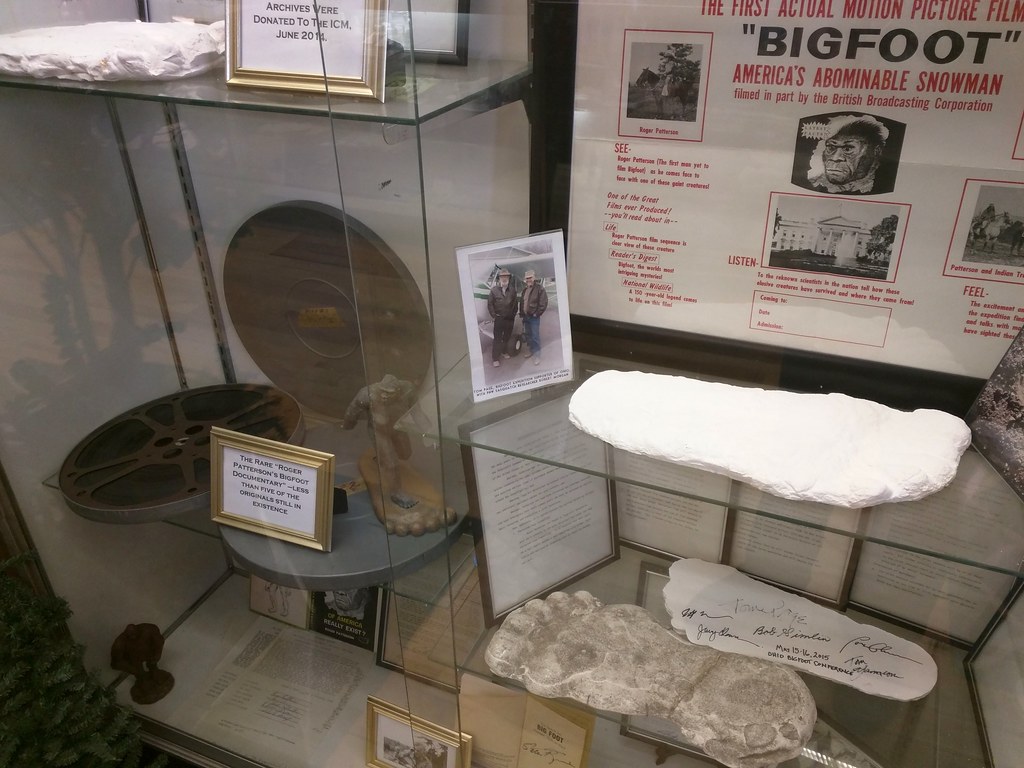
When a grainy 59‑second clip of an ape‑like creature first surfaced in 1967, it ignited a cultural obsession that still haunts the woods. ‘Capturing Bigfoot’ dives into that footage, tracing its creator Roger Patterson and the family drama that kept the legend alive. Directed by Marq Evans, the film stitches archival material with fresh interviews to ask whether the image is hoax or proof. The documentary arrives as streaming platforms double down on myth‑busting content, making its conclusions especially timely.
What happened
The iconic 59‑second film was shot by Roger Patterson in Northern California on Oct. 20, 1967. The grainy 16 mm clip shows an ape‑like figure walking about 100 feet from the camera, briefly turning its head toward the lens before continuing through birch‑filled woods.
‘Capturing Bigfoot’ reconstructs how that short piece of cinéma vérité became the most widely viewed piece of cryptid evidence, comparing its visual style to the Zapruder film. The documentary also reveals the tawdry family saga behind the footage, detailing how Patterson’s brother and later heirs managed its distribution and mythic status.
Why it matters
By placing the footage in a broader historical and cultural context, the film challenges decades‑long speculation and shows how media amplification can turn a single glimpse into a national obsession. For streaming audiences, the documentary demonstrates the power of long‑form nonfiction to settle—or at least reframe—persistent mysteries, influencing future true‑crime and myth‑focused productions.
- Combines rare archival clips with new interviews for depth.
- Provides a clear timeline that clarifies the footage’s provenance.
- Sets a benchmark for investigative documentary storytelling on streaming platforms.
- Does not present conclusive scientific proof of the creature’s existence.
- Relies heavily on family testimonies that may be biased.
- Limited to the single 1967 clip, leaving broader Bigfoot evidence unexplored.
How to think about it
Treat the documentary as a case study in how legends are constructed: start with the primary source, assess the chain of custody, and weigh new testimony against existing skepticism. When watching similar true‑story films, ask what evidence is presented, who benefits from the narrative, and whether alternative explanations are explored.
FAQ
What new information does the documentary reveal about the 1967 footage?+
Is the documentary definitive proof that Bigfoot exists?+
Where can viewers watch ‘Capturing Bigfoot’?+
Streaming availability changes constantly. Check where it's playing right now — subscription, rent, or buy:
- reviews·3 min readDonkey Princess Review: Inventive Fairytale
Donkey Princess review: a shape-shifting fairytale
- reviews·3 min readObjet a Film Explores Desire and Control
Objet a explores desire and control in relationships
- reviews·2 min readLate Fame Review: Willem Dafoe and Greta Lee Shine in a Poetic Indie Drama
Late Fame is a quietly powerful indie film where Willem Dafoe and Greta Lee explore art, memory, and rediscovery in modern New York.