Cinematography 101: How Filmmakers Use Light to Shape Narrative and Mood
Discover how cinematographers use lighting techniques, shadows, and color temperature to tell compelling visual stories on screen.
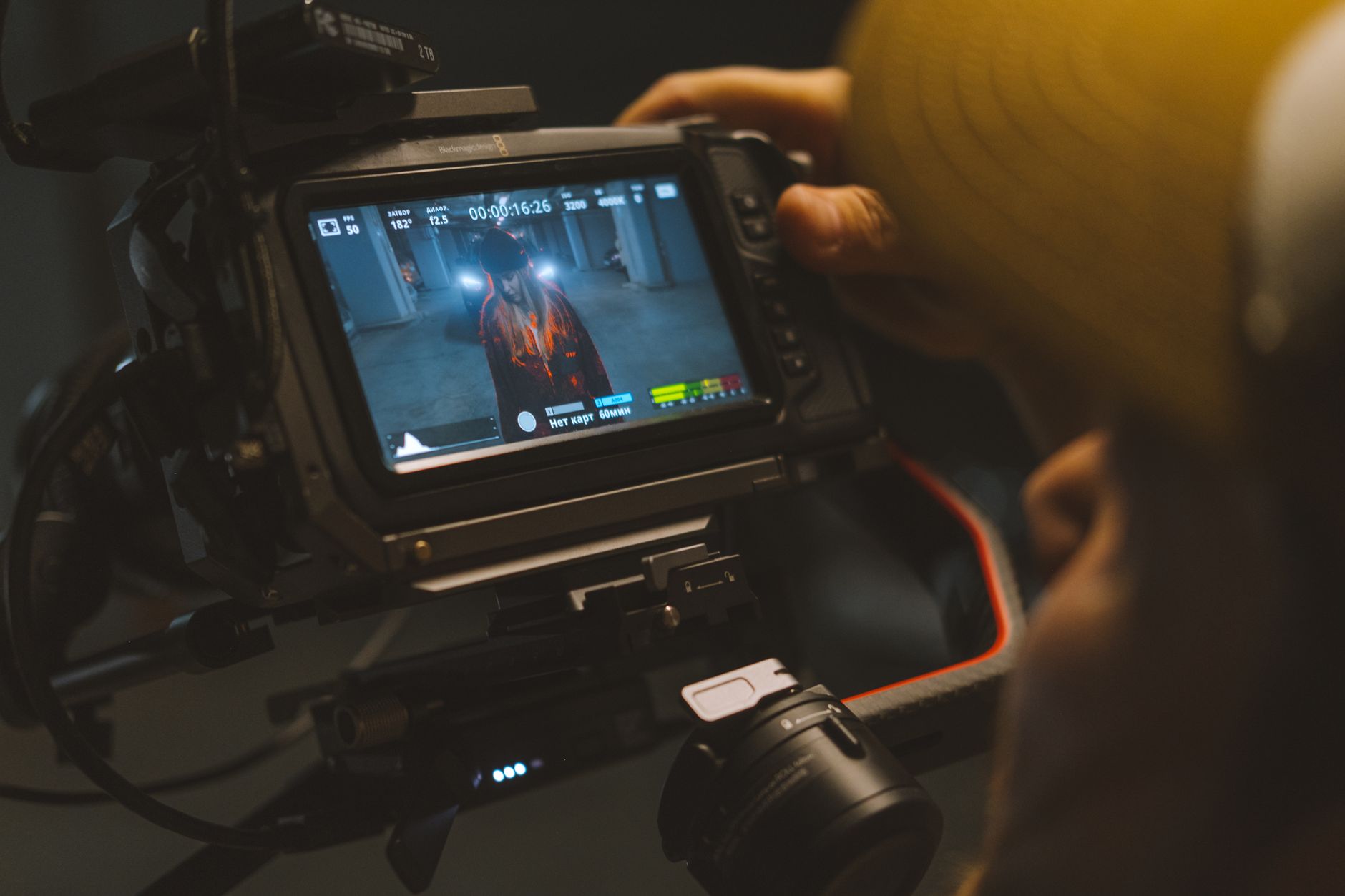
Great films do not merely capture actors speaking lines; they paint with light to evoke deep emotional responses. The strategic manipulation of illumination, shadow, and color temperature serves as a silent narrator guiding the audience's attention and feelings. Understanding these fundamental principles of cinematography transforms how viewers appreciate their favorite movies and television shows. By decoding the visual language of light, audiences can unlock deeper layers of meaning in every frame.
What happened
Cinematographers rely on a classic three-point lighting setup—consisting of a key light, fill light, and backlight—to establish the basic dimension and depth of a subject. By adjusting the ratio between these lights, filmmakers create distinct visual styles. High-key lighting, characterized by bright, even illumination and minimal shadows, is commonly used in comedies and musicals to project optimism and clarity. Conversely, low-key lighting relies on high contrast and deep shadows, a staple of film noir and horror that breeds tension and mystery.
Beyond intensity, the direction and quality of light dictate how viewers perceive a character's moral alignment and emotional state. Hard light, cast from a small or distant source, creates sharp edges and emphasizes textures, often highlighting a character's ruggedness or distress. Soft light, diffused through silks or bounced off large surfaces, minimizes imperfections and wraps gently around faces, conveying vulnerability or romance. Even the angle matters; lighting a character from below, known as underlighting, distorts natural facial features to evoke fear, while top lighting can create a dramatic, angelic, or weary appearance.
Why it matters
Visual literacy is increasingly important as modern digital sensors allow filmmakers to shoot in ultra-low-light environments that were historically impossible to capture on film. This technological leap has democratized filmmaking but also shifted the creative stakes, placing greater emphasis on intentional shadow design rather than merely achieving proper exposure. For audiences, recognizing these subtle cues enriches the viewing experience, revealing character motivations and thematic shifts before a single line of dialogue is spoken. For creators, mastering these techniques remains the boundary between amateur video and cinematic storytelling.
- Enhances emotional resonance and subtext without relying on heavy exposition.
- Directs the viewer's eye naturally to key narrative elements within the frame.
- Defines the genre and tone of a project instantly from the opening shot.
- Over-stylized lighting can distract the audience and break immersion.
- Achieving complex lighting setups requires significant time, equipment, and budget.
- Relying too heavily on digital post-production color grading can lead to flat, lifeless original captures.
How to think about it
To truly appreciate or apply these concepts, train yourself to look past the actors and analyze where the shadows fall. Observe the transition between light and dark on a character's face, known as the falloff, to determine the softness of the light source. Notice the color temperature; warm, golden tones often signal comfort, nostalgia, or safety, while cool, blue tones suggest isolation, technology, or danger. By treating light as an active character in the scene rather than a passive utility, you can begin to decode the director's hidden intentions and understand why certain scenes resonate so deeply on an emotional level.
FAQ
What is motivated lighting in cinematography?+
How does color temperature affect the mood of a scene?+
What is the difference between high-key and low-key lighting?+
Streaming availability changes constantly. Check where it's playing right now — subscription, rent, or buy:
- features·4 min readThe Language of Camera Movement: How Pans, Tilts, and Dollies Tell Stories
Discover how filmmakers use pans, tilts, and dollies to build tension, reveal information, and shape audience emotions.
- features·3 min readCinematographer vs. Director: Who Truly Shapes the Visual Look of a Film
Explore the creative tension and collaboration between directors and cinematographers in determining a movie's visual style.
- features·4 min readDemystifying Aspect Ratios: How Screen Shapes Shape Your Viewing Experience
Learn how different aspect ratios like 16:9 and 2.39:1 impact your favorite movies and streaming setups.