The Director's Cut: Filmmakers Reclaim Their Vision
Filmmakers reclaim their vision with director's cuts
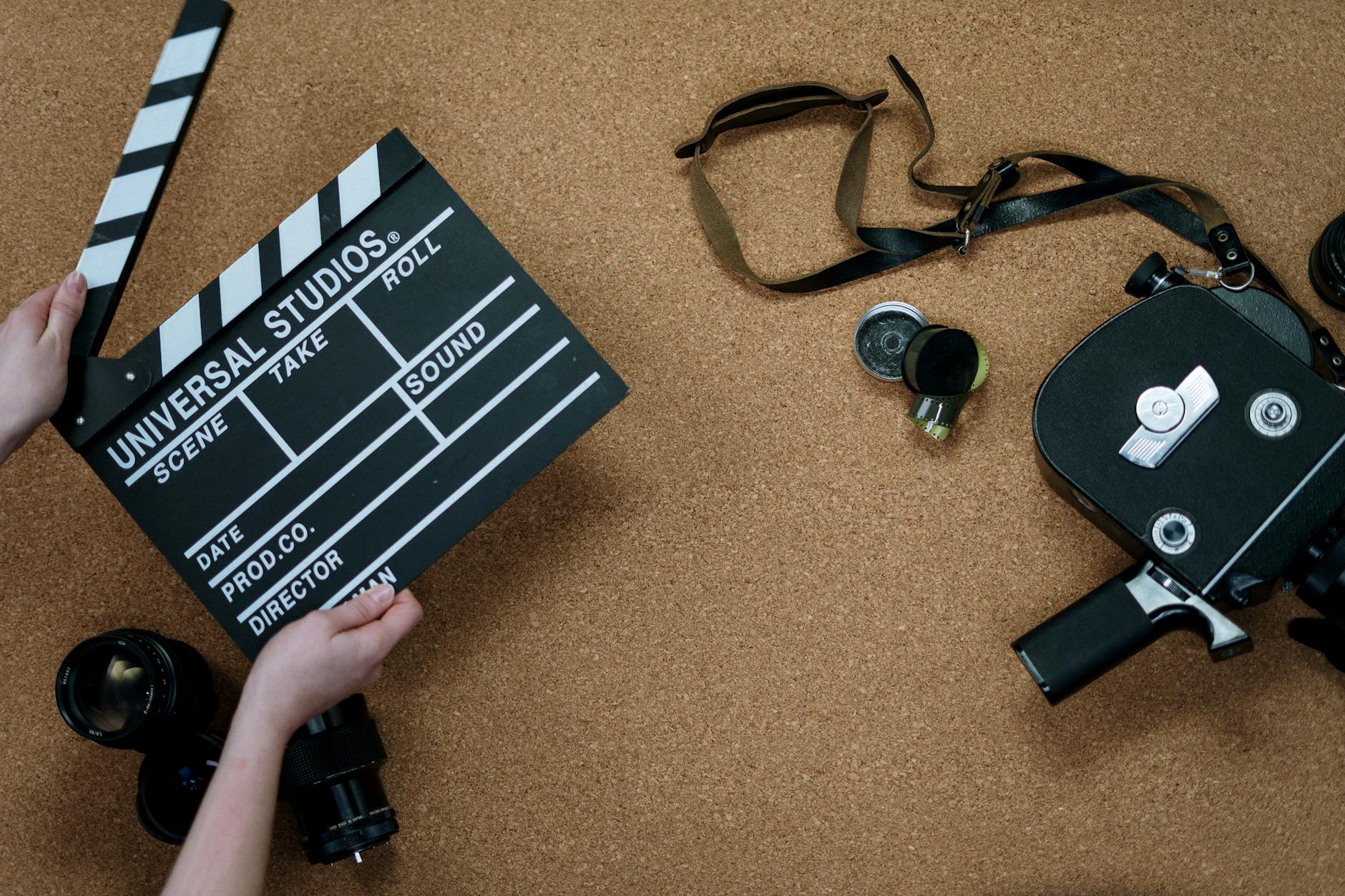
The director's cut is a unique aspect of filmmaking that allows creators to reclaim their original vision. This concept has been around for decades, with many famous directors releasing their own versions of films. Recently, the trend has seen a resurgence, with many filmmakers taking advantage of new technology to rework their projects. The director's cut offers a fresh perspective on a film, often including deleted scenes and alternative endings. It provides a glimpse into the creative process and the filmmaker's intentions. The director's cut is a valuable tool for both filmmakers and audiences, offering a new way to experience a film.
What happened
The concept of the director's cut has been around for decades, with many famous directors releasing their own versions of films. This trend has seen a resurgence in recent years, with the advancement of technology making it easier for filmmakers to rework their projects. The director's cut often includes deleted scenes, alternative endings, and other changes that were not included in the original release. The director's cut is not just limited to films, but also extends to television shows and other forms of media. Many creators are now taking advantage of streaming platforms to release their own versions of their work. The rise of the director's cut has also led to a new level of engagement between filmmakers and their audiences. Fans are now able to experience a film in a new way, and creators are able to share their original vision with the world.
Why it matters
The director's cut is important because it allows filmmakers to reclaim their original vision and provide a new perspective on their work. This can be especially significant for films that were heavily edited or altered during the production process. The director's cut offers a glimpse into the creative process and the filmmaker's intentions, providing a valuable insight into the making of a film. The director's cut also matters because it provides a new way for audiences to experience a film. By including deleted scenes and alternative endings, the director's cut can offer a fresh perspective on a story, and can even change the way that audiences interpret the film. The rise of the director's cut has also led to a new level of engagement between filmmakers and their audiences. Fans are now able to experience a film in a new way, and creators are able to share their original vision with the world.
- The director's cut allows filmmakers to reclaim their original vision
- It provides a new perspective on a film, often including deleted scenes and alternative endings
- It offers a glimpse into the creative process and the filmmaker's intentions
- The director's cut can be confusing for audiences who are familiar with the original version
- It can be difficult to determine which version of a film is the "definitive" one
- The director's cut can be seen as a marketing gimmick, rather than a genuine attempt to reclaim the filmmaker's vision
How to think about it
When considering the director's cut, it is essential to think about the filmmaker's intentions and the creative process behind the film. The director's cut can offer a valuable insight into the making of a film, and can provide a new perspective on a story. It is also important to consider the context in which the director's cut is being released. Is it a genuine attempt to reclaim the filmmaker's vision, or is it simply a marketing gimmick? By thinking critically about the director's cut, audiences can gain a deeper understanding of the film and the creative process behind it.
FAQ
What is a director's cut+
Why do directors release their own cuts of films+
How do I know which version of a film is the 'definitive' one+
Streaming availability changes constantly. Check where it's playing right now — subscription, rent, or buy:
- features·3 min readThe 10 Greatest Historical Adventure Movies Every Film Buff Should Watch
Explore the top ten historical adventure films, from classic epics to modern blockbusters, and why they remain essential viewing for movie lovers.
- features·3 min readBella Thorne’s Evolving Filmography: From Disney’s Shake It Up to Thriller ‘Saint Clare’
Bella Thorne moves from Disney dance floors to gritty thrillers, with her new project Saint Clare reshaping her streaming presence.
- features·2 min readTom Holland explains the technical hurdles of shooting Christopher Nolan’s IMAX epic “The Odyssey”
Actor Tom Holland details the physical and logistical hurdles of filming Christopher Nolan’s IMAX epic ‘The Odyssey’, explaining why it’s demanding.