How A24 Redefined Independent Film Through Bold Curation and Branding
Discover how indie studio A24 transformed modern cinema through distinct branding, auteur-driven curation, and unconventional marketing strategies.
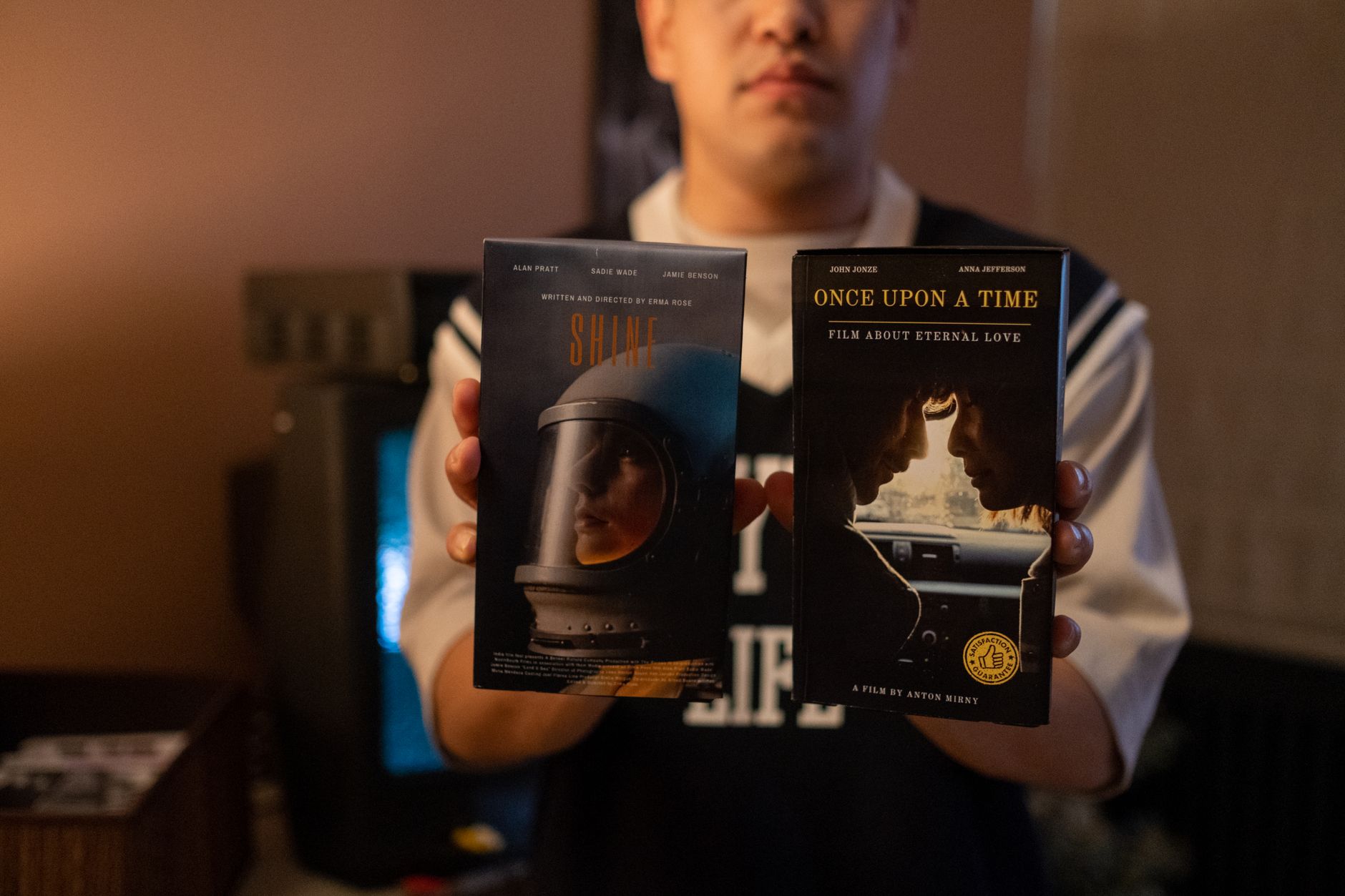
The landscape of independent cinema underwent a seismic shift over the past decade, largely driven by a single boutique distribution company turned powerhouse studio. Founded in 2012, A24 bypassed traditional Hollywood distribution playbooks to champion distinct, auteur-driven projects that major studios routinely ignored. By prioritizing strong filmmaker visions and cultivating a dedicated, cult-like audience, the company proved that challenging, artistic cinema could achieve both critical acclaim and commercial viability. This evolution has fundamentally altered how independent films are produced, marketed, and consumed globally.
What happened
A24 entered the film industry as a small New York-based distributor, debuting with relatively modest releases before capturing widespread attention with Harmony Korine's Spring Breakers in 2013. Rather than relying on massive television ad campaigns, the company leveraged grassroots digital marketing, social media word-of-mouth, and striking visual aesthetics to reach younger demographics. This approach allowed low-budget, high-concept films to find dedicated audiences that traditional marketing campaigns often missed.
The studio's trajectory shifted permanently with the release of Moonlight in 2016, which went on to win the Academy Award for Best Picture. This milestone established A24 not just as a tastemaker for niche audiences, but as a major player capable of competing at the highest levels of the industry. The company subsequently expanded from pure distribution into direct production, backing projects like Hereditary, Everything Everywhere All at Once, and Midsommar, which solidified its reputation for genre-bending storytelling.
Why it matters
The success of A24 has profound implications for the survival of mid-budget and independent filmmaking in an era dominated by massive franchise intellectual property. By proving that original, non-IP films can generate substantial box office returns and cultural relevance, A24 has kept the market open for emerging directors and experimental screenwriters. Furthermore, their strategy of selling high-end merchandise and establishing a direct-to-consumer membership program has shown other entertainment companies how to monetize a brand identity beyond the screen.
- Provides a reliable platform and funding for original, non-franchise stories.
- Elevates diverse, emerging filmmakers to mainstream cultural prominence.
- Creates highly effective, low-cost digital marketing strategies that engage younger audiences.
- High aesthetic consistency can sometimes overshadow individual directorial voices.
- Niche appeal can occasionally alienate broader, mainstream theatergoing audiences.
- Increased scale and larger budgets risk diluting the studio's original indie ethos.
How to think about it
To understand A24's impact is to recognize that film distribution is no longer just about putting movies in theaters; it is about community curation. Audiences do not merely watch an A24 film; they buy into an aesthetic ecosystem that spans apparel, publishing, and digital media. For filmmakers and industry observers, the A24 model serves as a blueprint for building sustainable creative businesses by cultivating deep, direct-to-consumer loyalty rather than chasing broad, shallow appeal.
FAQ
How did A24 get its name?+
What was A24's first Best Picture win?+
Does A24 only distribute films, or do they produce them too?+
Streaming availability changes constantly. Check where it's playing right now — subscription, rent, or buy:
- features·3 min readHow Independent Studios and Visionary Directors Rebuilt Modern Horror Cinema
Explore how indie studios and auteur directors transformed horror from a niche genre into a critical and commercial powerhouse.
- features·3 min readHow the Modern Anti-Hero Redefined Hollywood Character Development
An analysis of how modern cinema shifted from traditional moral heroes to complex, flawed anti-heroes that dominate today's screens.
- features·3 min readWhy the Western Genre Continues to Dominate Modern Cinema and Streaming
Explore why the Western genre remains a powerful force in modern entertainment, from streaming hits to cinematic blockbusters.