The Language of Camera Movement: How Pans, Tilts, and Dollies Tell Stories
Discover how filmmakers use pans, tilts, and dollies to build tension, reveal information, and shape audience emotions.
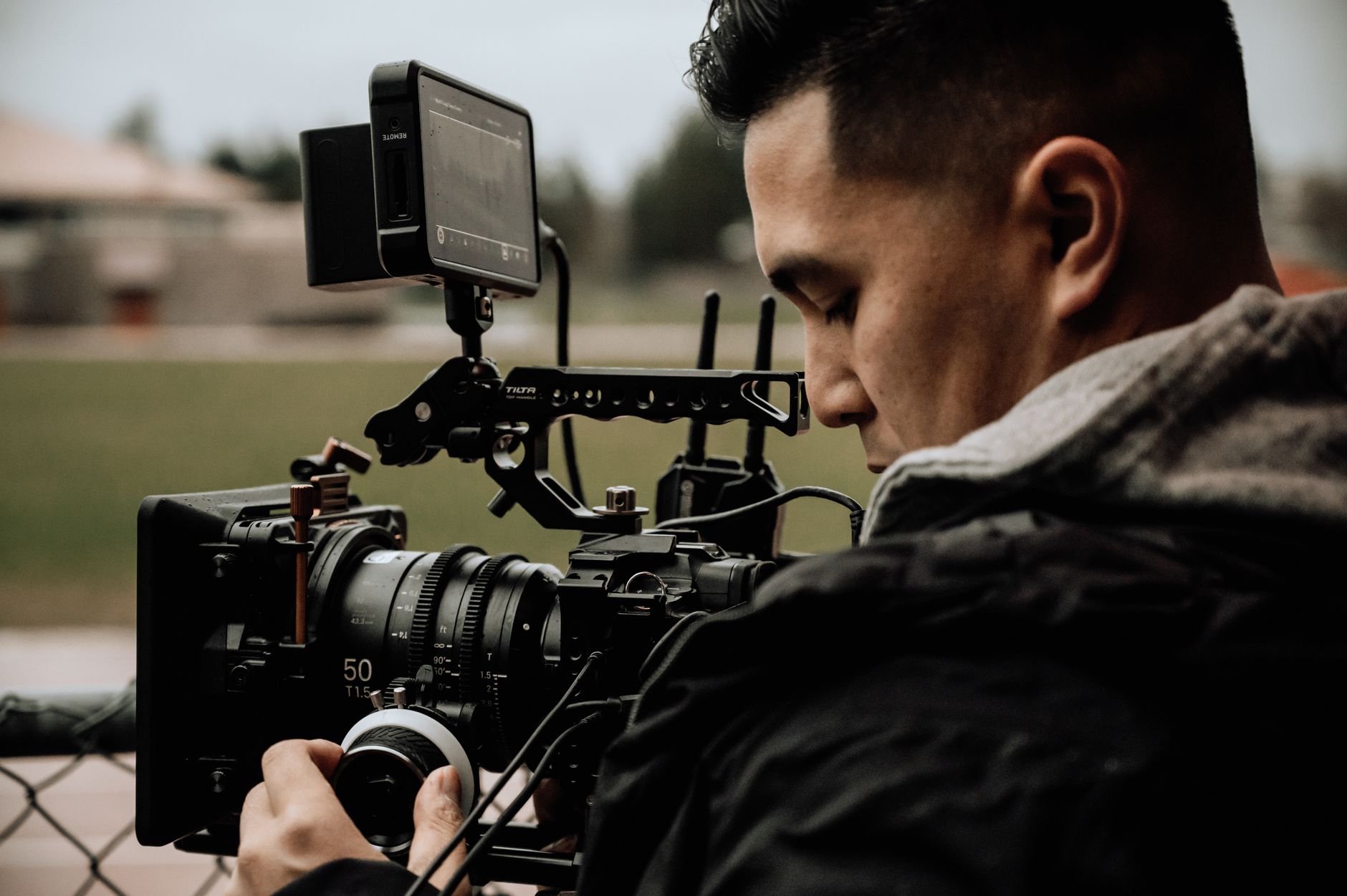
Cinema is a visual medium where the camera acts as the audience's eyes, guiding their emotional journey through a narrative. While dialogue and performance convey explicit plot points, the physical movement of the camera communicates subconscious subtext. Understanding the distinct grammar of pans, tilts, and dollies allows viewers to appreciate the deeper layers of visual storytelling. By analyzing these fundamental techniques, film enthusiasts can transition from passive consumers to active observers of cinematic art.
What happened
Filmmakers have long relied on three foundational camera movements to construct their visual narratives: the pan, the tilt, and the dolly shot. A pan involves pivoting the camera horizontally from a fixed axis, mimicking a head turning from side to side to scan a horizon or follow a moving subject. Conversely, a tilt pivots the camera vertically up or down, often used to emphasize height, establish scale, or suggest a shift in power dynamics between characters.
The dolly shot introduces physical translation through space, mounting the camera on a wheeled cart or track to move toward, away from, or alongside a subject. Unlike a zoom, which mechanically alters the lens focal length and flattens the image, a dolly shot changes the spatial perspective, pulling the audience directly into the physical environment. Together, these three techniques form the bedrock of cinematic composition and camera blocking.
Why it matters
The deliberate choice of camera movement shapes the psychological landscape of a film. A sudden pan can deliver a comedic punchline or reveal a hidden threat just out of frame, maintaining suspense by controlling when information is disclosed. Tilts can make a character appear imposing when looking up, or vulnerable when looking down, establishing hierarchy without a single line of dialogue.
Dolly shots, particularly the dolly-in, create an intimate connection by physically drawing the viewer closer to a character during a pivotal realization. When directors combine these movements, they establish a rhythmic visual language that dictates the pacing and tone of the entire production. Misusing these techniques risks distracting the audience, breaking the illusion of the story, and distancing the viewer from the emotional core of the scene.
- Pans efficiently reveal expansive environments and track lateral movement without cutting.
- Tilts establish vertical scale and visually communicate shifts in character power dynamics.
- Dolly shots create a natural, immersive sense of depth and physical movement through three-dimensional space.
- Excessive panning can cause visual disorientation or motion sickness for viewers.
- Improperly executed tilts can feel unnatural and disrupt the viewer's immersion.
- Dolly setups require extensive preparation, specialized equipment, and precise choreography to execute smoothly.
How to think about it
To fully appreciate camera movement, observe how a shot begins, moves, and ends. Ask yourself what new information is revealed by the movement and how your emotional state changes as the frame shifts. A camera that remains static often signals stability or entrapment, whereas a constantly moving camera can evoke anxiety, freedom, or a ghostly, unseen presence observing the characters.
Pay close attention to the motivation behind each movement. A motivated movement follows an action, such as a character walking across a room, making the camera work feel invisible and natural. Unmotivated movements, where the camera moves independently of character action, draw attention to the director's hand, often signaling a shift in the narrative perspective or hinting at an impending plot twist.
FAQ
What is the difference between a pan and a tilt?+
Why is a dolly shot preferred over a zoom?+
What does an unmotivated camera movement mean?+
Streaming availability changes constantly. Check where it's playing right now — subscription, rent, or buy:
- features·3 min readCinematographer vs. Director: Who Truly Shapes the Visual Look of a Film
Explore the creative tension and collaboration between directors and cinematographers in determining a movie's visual style.
- features·3 min readCinematography 101: How Filmmakers Use Light to Shape Narrative and Mood
Discover how cinematographers use lighting techniques, shadows, and color temperature to tell compelling visual stories on screen.
- features·4 min readHow Modern Filmmakers Are Redefining the Art of the Long Take in Cinema
Explore how directors use extended single-shot sequences to build tension, immerse audiences, and transform modern cinematic storytelling.