The Modern Documentary and Its Complex Quest for Objective Truth
An exploration of how modern documentary filmmakers balance creative storytelling with journalistic integrity in the streaming era.
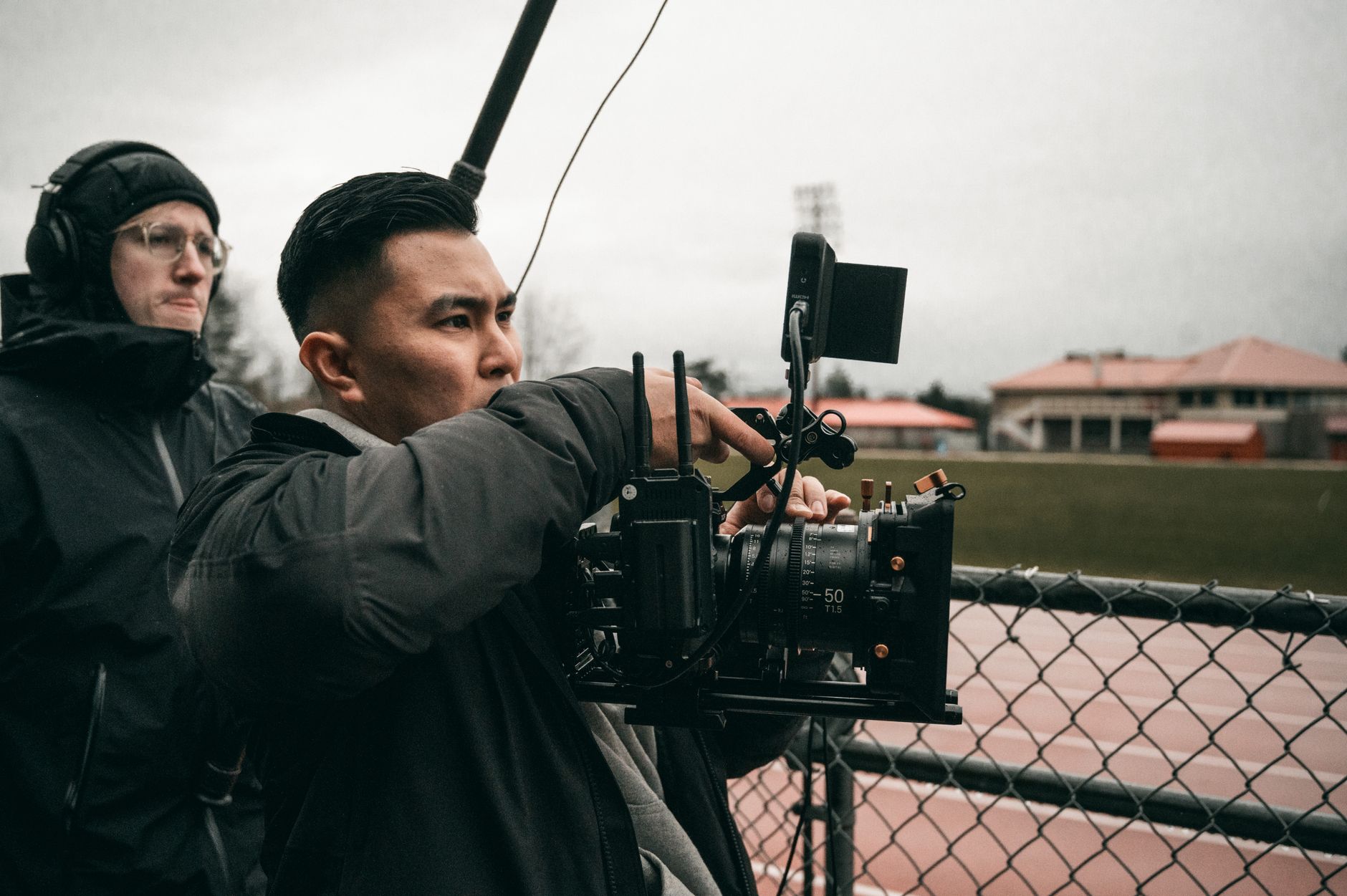
The rise of streaming platforms has ushered in a golden age of documentary filmmaking, bringing niche subjects to global audiences. However, this boom has also intensified the friction between narrative entertainment and objective journalism. As filmmakers increasingly employ cinematic techniques to craft compelling stories, the boundary between factual reporting and creative interpretation continues to blur. Understanding this tension is essential for audiences navigating an era where visual media wields unprecedented influence over public perception.
What happened
In recent years, major streaming networks have heavily prioritized high-stakes true crime, biographical exposés, and investigative docuseries. To capture viewer attention in a crowded marketplace, directors frequently employ stylized reconstructions, dramatic musical scores, and selective editing. While these techniques elevate the emotional resonance of the film, they can also inadvertently distort the objective reality of the events depicted.
This shift has sparked a broader debate within the filmmaking community regarding ethical standards. Traditional documentary ethics emphasized a fly-on-the-wall approach, minimizing directorial intervention to preserve authenticity. Today, the pressure to deliver viral hits has led to instances where critical context is omitted, or timeline sequences are altered to serve a more satisfying narrative arc.
Why it matters
This evolution matters because documentaries are widely perceived by the public as trusted sources of factual information, often carrying more authority than traditional news media. When a documentary presents a biased or heavily manipulated version of events, it can shape public opinion, impact real-world legal cases, and damage the credibility of the entire non-fiction genre. For filmmakers, the stakes involve maintaining artistic freedom without sacrificing the foundational trust of their audience.
- Cinematic techniques make complex educational topics highly engaging and accessible to mainstream audiences.
- Increased funding from streaming platforms allows filmmakers to pursue deep, long-term investigative projects.
- Emotional storytelling can drive real-world social change and raise awareness for marginalized voices.
- Stylized editing and omitted context can lead to unintentional misinformation and bias.
- The pressure for high ratings may incentivize sensationalism over nuanced, balanced reporting.
- Audiences may mistake a director's subjective perspective for absolute historical truth.
How to think about it
To navigate the landscape of modern non-fiction cinema, viewers should approach documentaries not as definitive historical records, but as structured arguments. Every creative choice—from the lighting of an interview to the placement of a musical cue—is designed to evoke a specific response. By analyzing a film's sources, identifying potential biases, and cross-referencing claims with independent reporting, audiences can appreciate the artistic merit of a documentary while remaining critical of its factual assertions.
FAQ
How do modern documentaries differ from traditional journalism?+
While journalism prioritizes objective reporting and balanced viewpoints, modern documentaries often lean into subjective storytelling, utilizing cinematic tools to present a specific thematic argument.
Are filmmakers legally required to present balanced perspectives?+
No, documentary filmmakers generally enjoy broad creative and free-speech protections, meaning they are not legally obligated to present balanced viewpoints unless bound by specific broadcasting regulations.
What steps can viewers take to verify a documentary's claims?+
Viewers can verify claims by researching the filmmakers' funding sources, reading critiques from independent journalists, and checking if the subjects of the documentary have disputed their portrayal.
Streaming availability changes constantly. Check where it's playing right now — subscription, rent, or buy:
- features·4 min readDemystifying Aspect Ratios: How Screen Shapes Shape Your Viewing Experience
Learn how different aspect ratios like 16:9 and 2.39:1 impact your favorite movies and streaming setups.
- streaming·3 min readTom Hanks' "World War II with Tom Hanks" Tops Global Streaming Charts in August 2026
Tom Hanks' WWII docu-series dominates global streaming charts, hitting Amazon’s US top 10 and leading on Apple TV.
- features·2 min readCollider’s Ranked List: The 10 Best Superhero Movies in Film History
Collider ranks the ten greatest superhero films ever, highlighting why these classics still set the bar for the genre.