Quentin Tarantino to Begin Final Film After London Play, Says Cinematographer Robert Richardson
Cinematographer Robert Richardson reveals Quentin Tarantino will start his final movie after completing a London stage play.
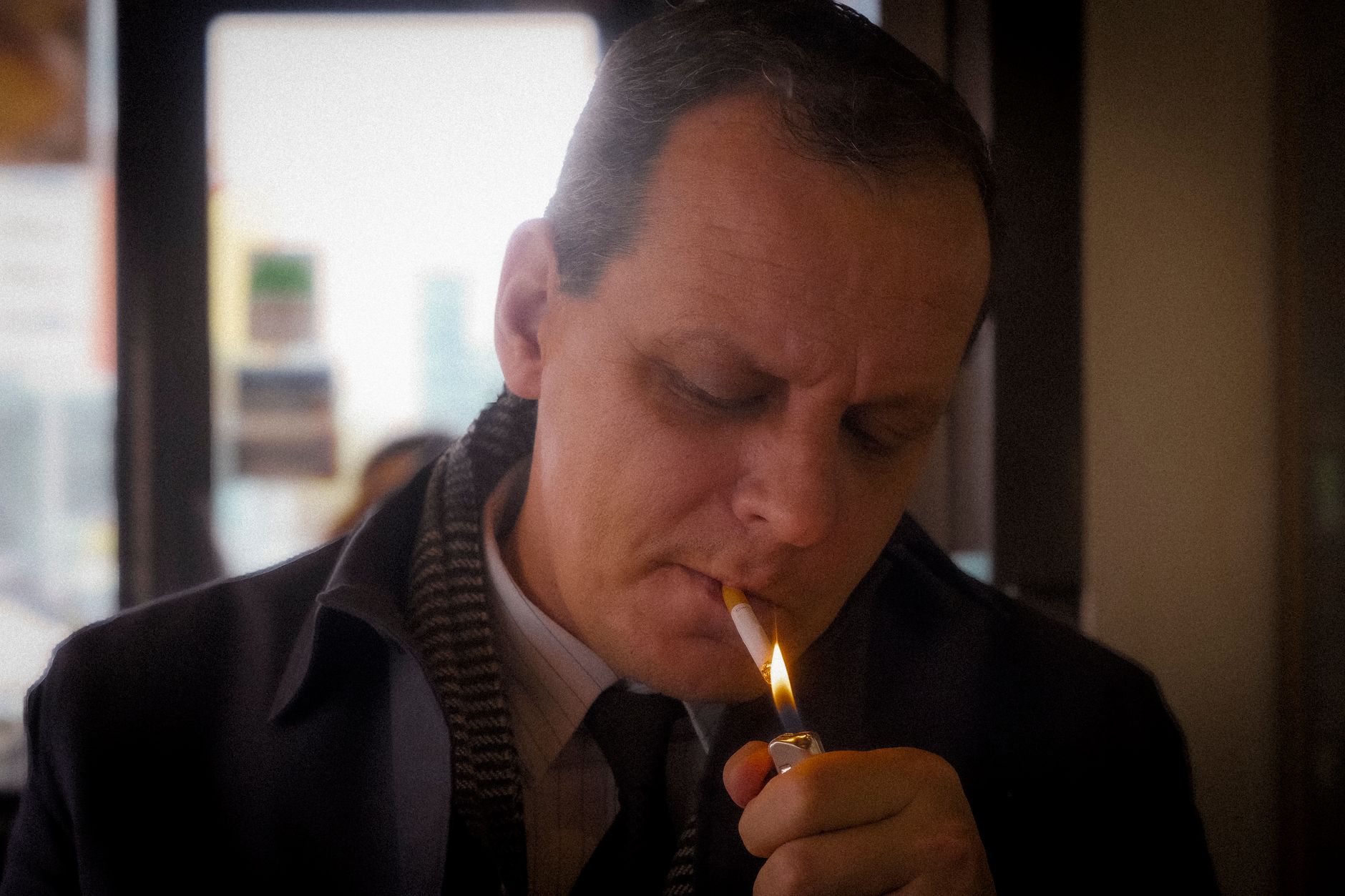
Quentin Tarantino is officially preparing to step back behind the camera for his tenth and final feature film, but fans will have to wait for him to finish a theatrical detour first. According to his longtime cinematographer Robert Richardson, the acclaimed director will commence work on his final cinematic project immediately after wrapping up an upcoming stage play in London. This update provides a concrete timeline for one of the most anticipated final acts in modern cinema history, ending years of speculation following the cancellation of his previously planned project, The Movie Critic. It signals that the legendary director is finally ready to solidify his legacy and close out his filmmaking career on his own strict terms.
What happened
In an interview with Screen Daily, three-time Oscar-winning cinematographer Robert Richardson shared key details about his ongoing partnership with Tarantino. Richardson, who has collaborated with the director for two decades starting with the Kill Bill films, confirmed that he was summoned by Tarantino to prepare for the upcoming final feature. At the time, Richardson was working with director Antoine Fuqua on the Michael Jackson biopic, but Fuqua graciously encouraged him to step away to conclude his creative journey with Tarantino. The cinematography duties on the biopic were subsequently taken over by Dion Beebe.
Richardson also confirmed that Tarantino came very close to directing The Movie Critic as his tenth film before ultimately scrapping the project a few years ago. Since releasing Once Upon a Time in Hollywood, Tarantino has kept busy with alternative creative outlets. He has written books, hosted podcasts, penned a script titled The Adventures of Cliff Booth for director David Fincher, and is now focusing his immediate attention on writing and staging a play in London before returning to the film set.
Why it matters
Tarantino has long maintained a self-imposed rule to retire after directing ten feature films, operating under the belief that directors lose their creative edge as they age. Because of this strict boundary, the choice of his final project carries immense weight for both his personal legacy and the wider cinematic landscape. The cancellation of The Movie Critic left a massive void and raised questions about whether the director would ever find a story he deemed worthy of being his swan song.
By securing Richardson early, Tarantino is assembling his trusted inner circle to ensure his final film matches the technical heights of his previous work. Richardson has earned four of his Oscar nominations through his collaborations with Tarantino, making their partnership central to the director's signature visual style. This transition also highlights the unique respect Tarantino commands in the industry, evidenced by Antoine Fuqua releasing his own cinematographer so that Richardson could prioritize Tarantino's final bow.
- Secures longtime collaborator Robert Richardson to maintain visual continuity for the final film.
- Provides a clear creative roadmap for Tarantino following the cancellation of The Movie Critic.
- Allows the director to explore diverse mediums like theater before committing to his final cinematic effort.
- Extends the already lengthy gap since his last feature film, Once Upon a Time in Hollywood.
- Leaves the exact plot, genre, and title of the final movie completely unknown to the public.
- Risks further delays if the production of the London stage play runs over schedule.
How to think about it
Tarantino's deliberate pace highlights a filmmaker who is entirely unconcerned with industry pressure or streaming-era demands for constant content. Rather than rushing to meet a release window, he is prioritizing his artistic evolution by jumping between mediums, from literature to theater, before settling back into the director's chair. This multidisciplinary approach suggests his tenth film will be shaped by his recent experiences writing prose and drama, potentially offering a different narrative texture than his previous works.
For audiences, this update requires patience but offers reassurance that the final film is actively being planned with his core creative team. It is best to view this period not as a delay, but as a crucial incubation phase where the director is refining his voice for a final, definitive statement.
FAQ
Why is Quentin Tarantino stopping after ten films?+
What happened to Tarantino's previously planned final movie, The Movie Critic?+
Who is Robert Richardson and why is his involvement significant?+
- features·2 min readTom Holland explains the technical hurdles of shooting Christopher Nolan’s IMAX epic “The Odyssey”
Actor Tom Holland details the physical and logistical hurdles of filming Christopher Nolan’s IMAX epic ‘The Odyssey’, explaining why it’s demanding.
- features·4 min readHow the Academy's New Casting Oscar Redefines the Casting Director's Role
As the Academy introduces a Best Casting Oscar, we examine how casting directors shape modern cinema and why their creative labor is finally recognized.
- features·3 min readDemystifying the Screen: What a Film Producer Actually Does Behind the Scenes
Learn the essential responsibilities of a film producer, from securing financing to managing on-set logistics and distribution.