How Modern Restoration Efforts Are Saving the Lost Legacy of Silent Cinema
Discover how modern preservationists and streaming platforms are rescuing and restoring early film history from physical decay.
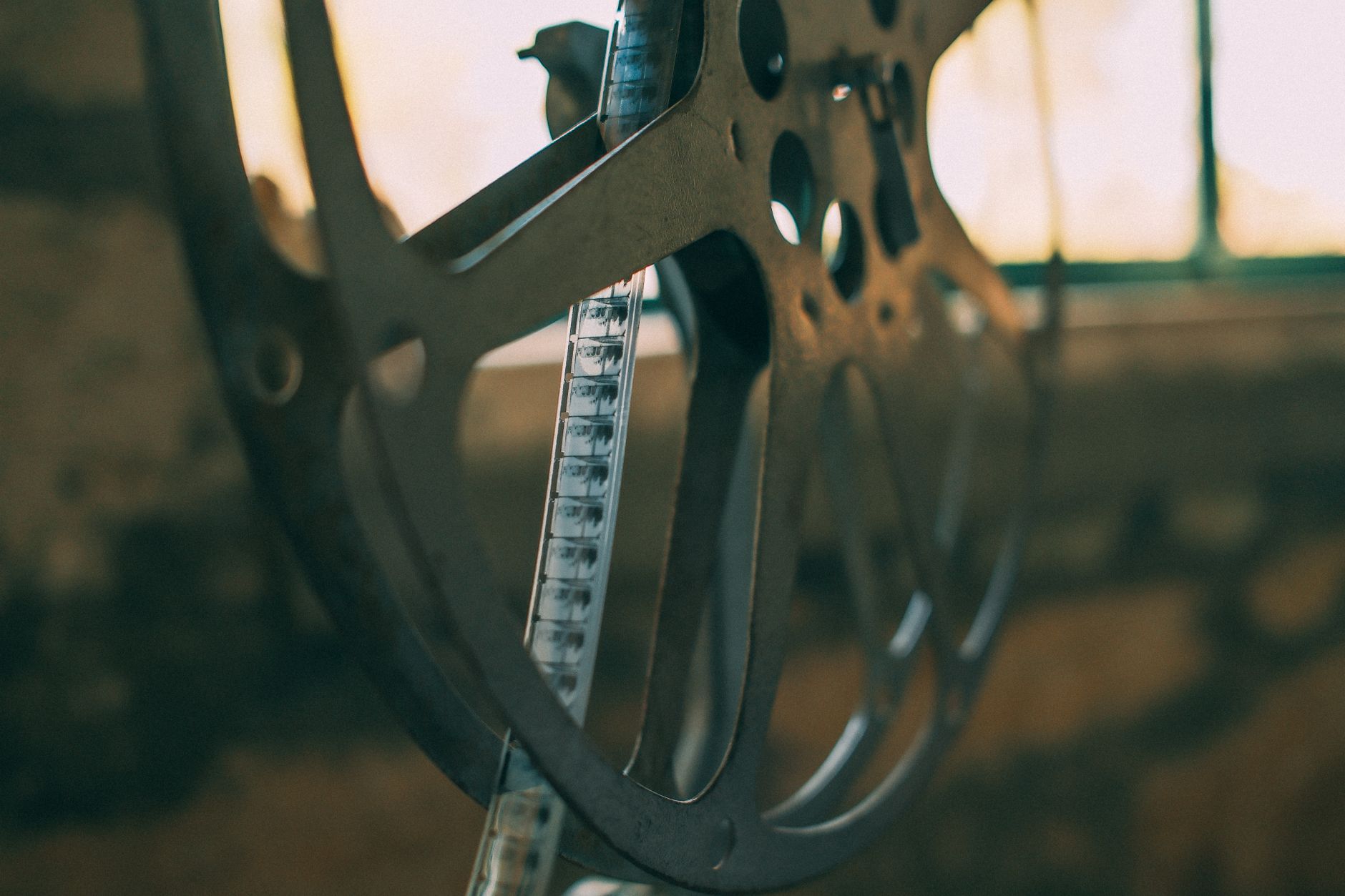
The silent film era laid the foundational grammar of visual storytelling, yet a staggering portion of this pioneering heritage remains lost to time and chemical decay. Today, a coordinated effort among international archives, independent distributors, and streaming platforms is breathing new life into these fragile celluloid relics. By utilizing advanced digital restoration techniques, preservationists are not just saving deteriorating nitrate prints but also introducing them to a new generation of digital viewers. This ongoing revival ensures that the foundational masterpieces of early cinema survive as active cultural touchstones rather than historical footnotes.
What happened
For decades, silent cinema faced a quiet crisis of physical erasure due to the highly unstable nature of cellulose nitrate film, which is prone to severe degradation and spontaneous combustion. Historical surveys by institutions like the Library of Congress have estimated that the vast majority of silent feature films produced in the United States no longer exist in their complete original forms. However, the landscape is shifting as specialized archives and boutique home video labels collaborate to locate, stabilize, and digitize surviving elements from global vaults.
Recent years have seen high-profile restorations of landmark silent films, utilizing high-resolution 4K and 8K scans to repair scratches, stabilize frame jitter, and correct color tinting based on original exhibition guides. These restored editions are increasingly finding homes on dedicated streaming services and curated physical media releases, accompanied by newly commissioned orchestral and electronic scores. This systematic effort transforms fragile, unwatchable fragments into pristine digital assets ready for modern display standards.
Why it matters
The preservation of silent cinema is not merely an exercise in nostalgia; it is a critical rescue mission for the origins of visual media. Without these films, our understanding of directors like Buster Keaton, F.W. Murnau, and Lois Weber remains incomplete, obscuring the evolution of editing, cinematography, and narrative structure. For filmmakers, educators, and cinephiles, these restored works offer a masterclass in pure visual storytelling free from the reliance on spoken dialogue. Furthermore, the democratization of access through streaming platforms ensures that these works are no longer locked away in restricted academic archives, allowing global audiences to experience them as living art.
- Digital restoration permanently halts the physical decay of fragile nitrate and acetate film elements.
- Streaming distribution makes historically significant films accessible to a global audience.
- New musical scores revitalize silent films, making them more engaging for contemporary viewers.
- Restoration projects are incredibly expensive and require highly specialized archival labor.
- A significant portion of silent cinema history is already permanently lost and cannot be recovered.
- Digital manipulation runs the risk of altering the original artistic intent if not guided by strict historical standards.
How to think about it
Engaging with silent cinema today requires shifting from a mindset of passive consumption to one of active historical curiosity. Viewers should approach these films not as primitive precursors to modern talkies, but as a distinct, highly sophisticated visual medium that operated under its own artistic rules. When exploring restored silent films, pay close attention to the expressive use of lighting, tinting, physical performance, and camera movement, which often achieved levels of artistry that early sound films struggled to replicate. Supporting boutique distributors and public archives through viewership or donations directly funds the painstaking labor required to rescue the next lost masterpiece from the vaults.
FAQ
Why are so many silent films lost to history?+
How do preservationists restore silent films without original color guides?+
Is silent cinema difficult for modern audiences to enjoy?+
Streaming availability changes constantly. Check where it's playing right now — subscription, rent, or buy:
- features·4 min readA Beginner's Guide to Film Noir: History, Tropes, and Lasting Influence
Discover the origins, key tropes, and enduring legacy of film noir, from classic 1940s crime dramas to modern neo-noir cinema.
- features·3 min readArnold Schwarzenegger Holds Two Spots in ScreenRant’s Top Five Sci‑Fi Movie Quotes
ScreenRant ranks Schwarzenegger’s “I’ll be back” and “If it bleeds, we can kill it” among the top five sci‑fi lines, highlighting their lasting cultural punch.
- features·2 min readCollider’s Ranked List: The 10 Best Superhero Movies in Film History
Collider ranks the ten greatest superhero films ever, highlighting why these classics still set the bar for the genre.