The Evolving Art of Movie Trailer Craft: From Simple Previews to Strategic Storytelling
Explore how movie trailers have transformed from basic teasers into sophisticated marketing tools. Understand the craft behind their emotional impact and strategic role in film promotion.
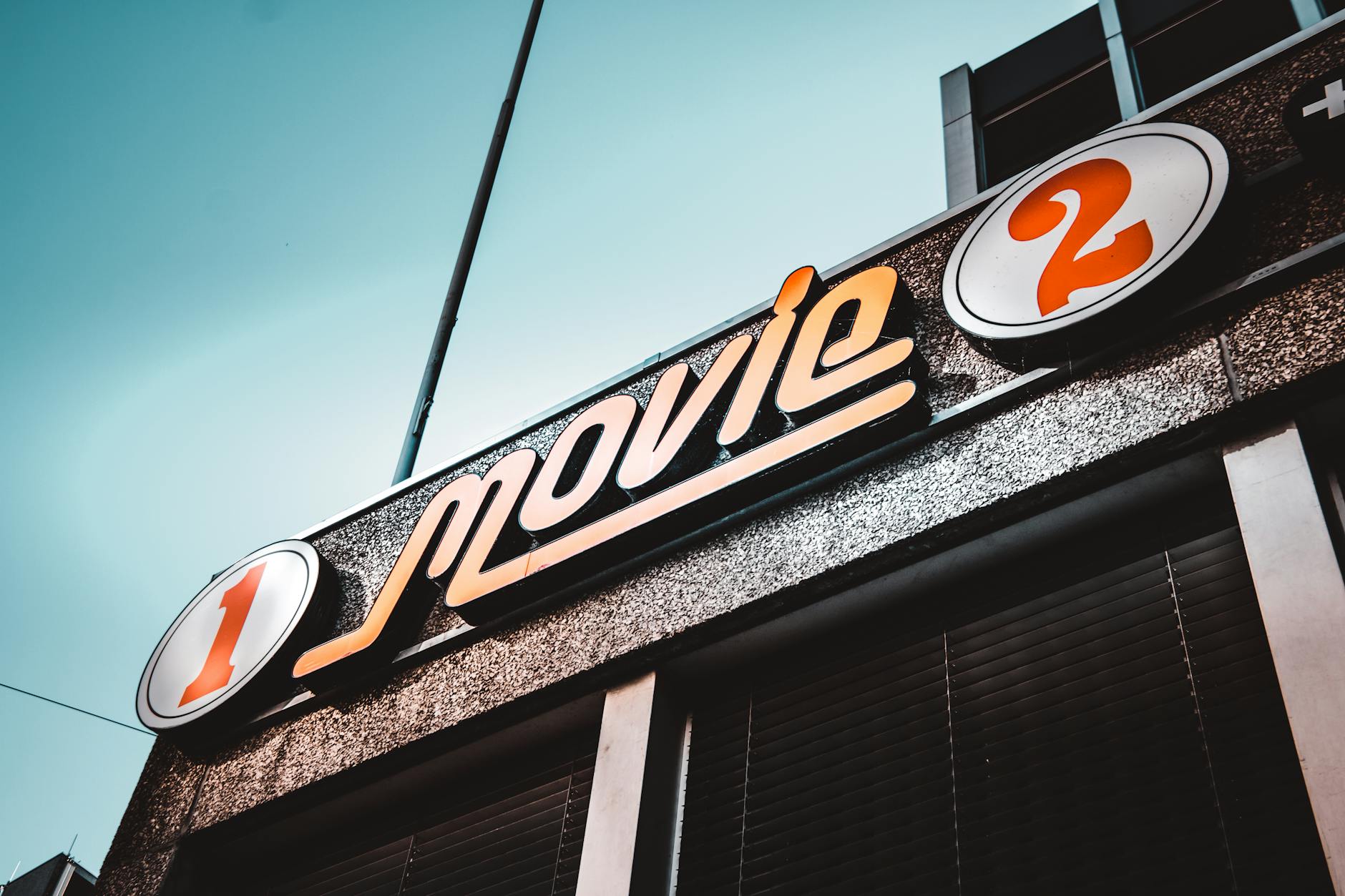
Movie trailers, once simple "coming soon" announcements, have evolved into a sophisticated art form and a critical component of a film's marketing strategy. In an increasingly crowded entertainment landscape, a well-crafted trailer can be the decisive factor in capturing audience attention and translating it into ticket sales or streaming views. This transformation reflects a deeper understanding of audience psychology and the power of concise, emotionally resonant storytelling. Understanding the craft behind these cinematic snippets reveals much about the industry's approach to anticipation and engagement.
What happened
Historically, trailers were often assembled by the film's own editor, sometimes even after the film premiered, serving as a simple recap or a brief glimpse. However, over the past few decades, the process has professionalized significantly. Specialized trailer houses, staffed by expert editors, sound designers, and graphic artists, now operate independently, often starting work on a film's promotional material long before the final cut is locked.
This shift has led to trailers becoming highly produced, narrative-driven mini-films designed to evoke specific emotions and build maximum hype. The advent of digital distribution and social media further accelerated this evolution, allowing for diverse trailer formats—from cryptic teasers to full-length theatrical previews—and precise targeting of different audience segments. The focus moved from merely showing what a film is about to meticulously crafting an experience that compels viewers to want more.
Why it matters
The quality of a movie trailer can directly impact a film's commercial success, acting as the primary gateway for potential audiences. A compelling trailer not only generates buzz but also sets expectations, establishes the film's tone, and highlights its unique selling points. For independent films, an exceptional trailer can be crucial for securing distribution and standing out amidst blockbusters.
However, this power also comes with challenges. Trailer creators walk a tightrope, needing to reveal enough to entice without spoiling key plot points or misrepresenting the film's true nature. The pressure to create viral content means trailers are often meticulously tested and refined, shaping public perception of a movie long before it reaches screens. This strategic importance underscores why trailer creation is no longer an afterthought, but a central pillar of film promotion.
- Builds significant anticipation and hype for upcoming releases.
- Showcases a film's most visually stunning or emotionally impactful moments.
- Reaches a wide, diverse audience through various platforms.
- Can be a standalone piece of compelling short-form entertainment.
- Crucial for generating interest and securing distribution for smaller films.
- Can inadvertently spoil major plot twists or character arcs.
- May misrepresent a film's genre, tone, or overall quality.
- Creates unrealistic expectations that the full film might not meet.
- Intense pressure on editors to condense hours of footage into minutes.
- Risk of audience fatigue if too many trailers saturate the market.
How to think about it
As a viewer, it's helpful to approach trailers as carefully curated marketing pieces rather than definitive representations of the entire film. They are designed to evoke a response and sell an experience, not necessarily to provide an objective overview. Consider what the trailer is trying to achieve and how it uses editing, music, and pacing to manipulate your emotions. For filmmakers and marketers, the lesson is clear: understanding your target audience and strategically revealing content are paramount. The best trailers don't just show a movie; they tell a story about the movie, inviting the audience into its world without giving everything away.
FAQ
How long should a movie trailer be?+
Who makes movie trailers?+
How do trailers avoid spoilers?+
Streaming availability changes constantly. Check where it's playing right now — subscription, rent, or buy:
- features·3 min readThe Anatomy of Antagonism: What Actually Makes a Great Movie Villain
An analysis of the narrative mechanics, psychological depth, and structural roles that elevate cinematic antagonists from tropes to icons.
- features·4 min readHow the Classic Three-Act Structure Continues to Shape Modern Screenplays
Learn how the classic three-act structure organizes cinematic narratives and why it remains the foundational framework for successful screenwriting.
- features·2 min readThe Rise of Anti-Heroes in Modern Cinema
The anti-hero in modern cinema. Impact on storytelling