Demystifying Aspect Ratios: How Screen Shapes Shape Your Viewing Experience
Learn how different aspect ratios like 16:9 and 2.39:1 impact your favorite movies and streaming setups.
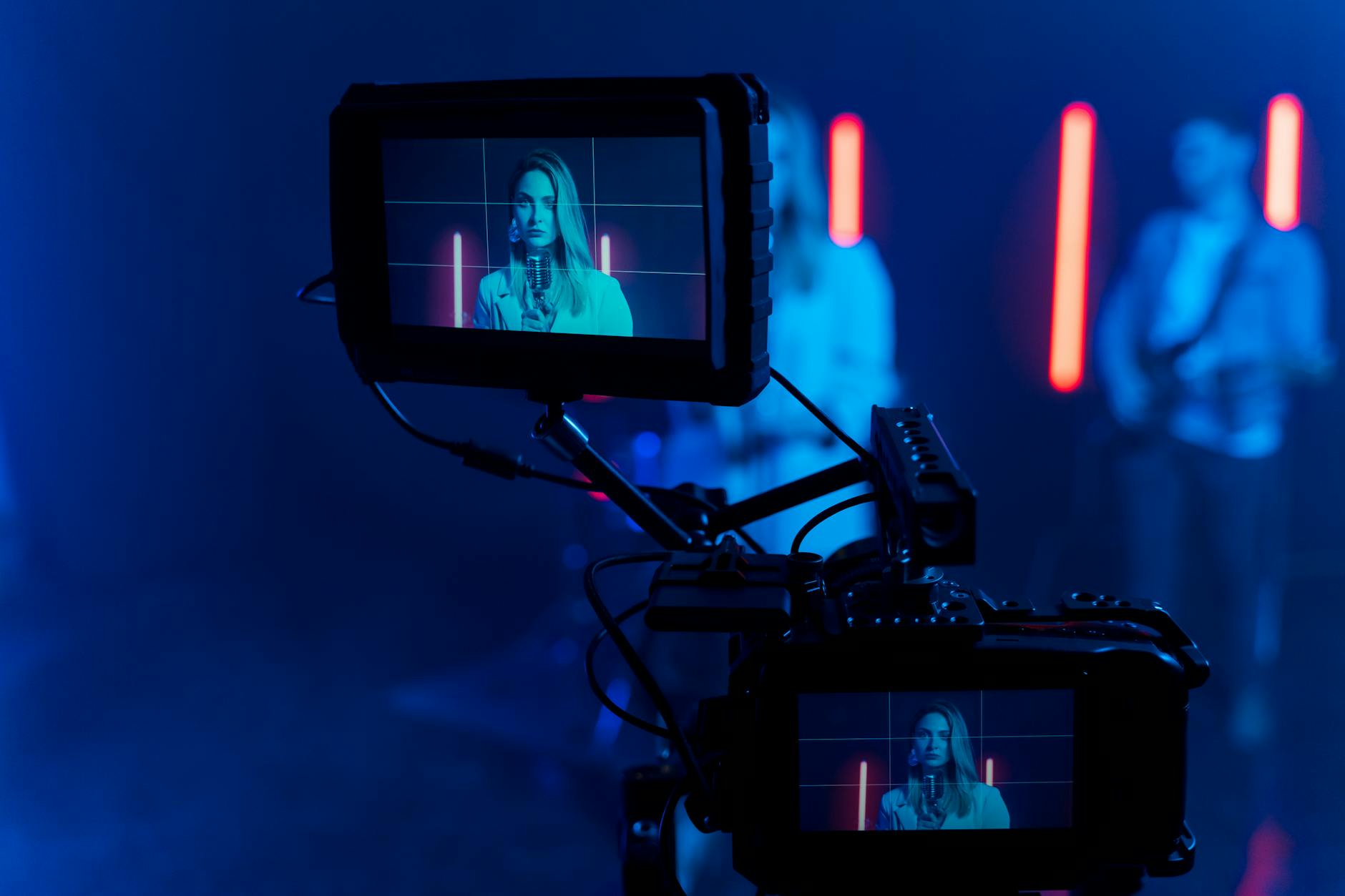
The shape of the screen you look at every day dictates how filmmakers tell their stories and how you perceive them. From the boxy frames of classic television to the ultra-wide panoramas of modern cinema, aspect ratios define the physical boundaries of visual art. Understanding these dimensions changes how you view content, revealing the intentional choices directors make to evoke specific emotions. As streaming platforms and home theater setups continue to evolve, recognizing these formats helps viewers optimize their displays and appreciate the original intent of the creators.
What happened
Aspect ratios represent the proportional relationship between an image's width and its height, expressed as two numbers separated by a colon. Historically, early cinema and television adopted the 4:3 (or 1.33:1) ratio, which remained the standard for decades. As television grew in popularity during the mid-twentieth century, the film industry introduced wider formats like 1.85:1 and 2.39:1 to entice audiences back into theaters with grander, more immersive spectacles.
Today, the landscape is dominated by the 16:9 (1.78:1) widescreen standard, which serves as the default for modern televisions, computer monitors, and smartphones. However, filmmakers frequently break away from this standard, utilizing ultra-wide formats for cinematic blockbusters or returning to vintage square frames to create a sense of intimacy or claustrophobia. Streaming services must navigate these diverse formats, delivering content that preserves the director's original composition across a myriad of consumer devices.
Why it matters
The choice of aspect ratio directly influences the emotional resonance and composition of a film. A wider frame allows for expansive landscapes and complex group blocking, making it ideal for epic action sequences or sweeping dramas. Conversely, a narrower frame forces the audience's attention onto a single subject, heightening tension and focusing on performance.
For home viewers, these artistic choices often conflict with hardware limitations, resulting in black bars on the top and bottom (letterboxing) or the sides (pillarboxing) of the screen. When platforms or viewers attempt to force content into a single uniform ratio, they risk cropping out vital visual information or distorting the image entirely. Preserving the correct aspect ratio ensures that the audience sees exactly what the director and cinematographer intended.
- Preserves the original artistic vision and framing of the director.
- Optimizes visual composition for specific genres and emotional tones.
- Prevents awkward cropping or stretching of the image on modern displays.
- Can result in distracting black bars on screens with different native dimensions.
- Requires manual adjustments or specialized settings on some home theater systems.
- Can confuse casual viewers who mistake letterboxing for a display error.
How to think about it
When setting up a home entertainment system or selecting streaming quality, prioritize image preservation over screen filling. Avoid using the "zoom" or "stretch" features on your television, as these options distort the geometry of the frame and cut off critical visual details at the edges. Instead, view letterboxing and pillarboxing as signs of technical accuracy, indicating that you are watching the film in its native, unaltered format. Familiarizing yourself with common ratios like 16:9 and 2.39:1 allows you to anticipate how a film will look on your specific hardware and make informed adjustments to your viewing environment.
FAQ
Why do some movies have black bars on the top and bottom of my TV?+
What is the difference between 16:9 and 4:3?+
Does changing the aspect ratio affect the video quality?+
Streaming availability changes constantly. Check where it's playing right now — subscription, rent, or buy:
- features·4 min readThe Language of Camera Movement: How Pans, Tilts, and Dollies Tell Stories
Discover how filmmakers use pans, tilts, and dollies to build tension, reveal information, and shape audience emotions.
- features·3 min readCinematographer vs. Director: Who Truly Shapes the Visual Look of a Film
Explore the creative tension and collaboration between directors and cinematographers in determining a movie's visual style.
- features·3 min readThe Modern Documentary and Its Complex Quest for Objective Truth
An exploration of how modern documentary filmmakers balance creative storytelling with journalistic integrity in the streaming era.